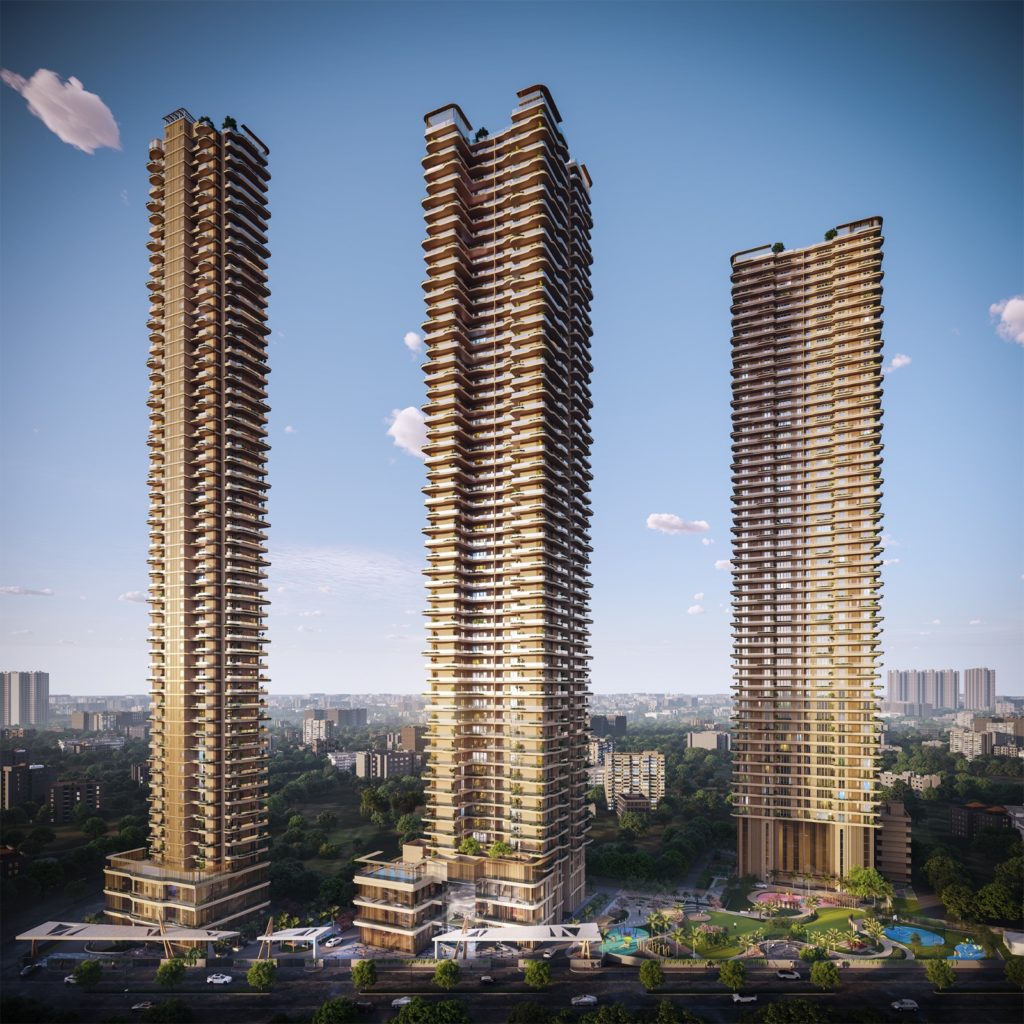

Buying a home is one of the biggest financial decisions made by people. But while buyers usually focus on the location, amenities, interiors, floor plan and price, some of the most important details can easily get overlooked. A property can look perfect on paper and still turn into a difficult investment if you don't identify the warning signs early.
From unclear documentation to unrealistic promises and poor location planning, there are several red flags that buyers should carefully evaluate before booking a property.
Here are five red flags you should never ignore before buying a home.
One of the biggest warning signs is when the documentation around a property is unclear, incomplete or difficult to verify. Before buying, buyers should understand who owns the property, whether the project has the required approvals and whether the relevant documents are available for verification.
For under construction projects, checking the project's RERA registration and understanding the information available on the relevant RERA portal is particularly important. Buyers should also review details such as the sanctioned plans, development permissions, possession timeline and other project related approvals.
For resale properties, the documentation becomes equally important. Title documents, previous sale deeds, outstanding loans, property tax records and other relevant paperwork should be properly checked. If a seller or sales representative is unwilling to share important documents or keeps giving vague answers, it is a reason to slow down and investigate further.
A property should not be booked simply because the location and interiors look attractive. The paperwork behind the property matters the most.
Everyone wants a good deal. But an unusually low price can sometimes be a warning sign rather than an opportunity. If a property is being offered significantly below comparable properties in the same micro market, buyers should understand why.
There could be several reasons behind the price difference. The property may have weaker connectivity, limited amenities, construction- related concerns, legal complications, an unusual payment structure or lower demand.
The advertised price can also be different from the actual acquisition cost.
Buyers should look beyond the base price and calculate the total cost, including charges such as registration, stamp duty, parking, maintenance deposits, club charges, floor-rise charges, infrastructure charges and other applicable costs. Comparing only the headline price can give you an incomplete picture.
A good property at the right price can be beneficial, but a cheap property with hidden costs or structural issues can become expensive over time.
Location is one of the most important factors in real estate. A property may have a good address but limited connectivity, insufficient social infrastructure or significant construction planned around it.
On the other hand, an emerging location can become significantly more attractive as roads, metro connectivity, commercial hubs, schools, hospitals and other infrastructure develop. This is particularly important in a rapidly developing market like Gurgaon.
Micro markets such as Dwarka Expressway, Golf Course Extension Road, Sohna Road and New Gurgaon are continuously evolving, with new residential, commercial and infrastructure developments changing the character of different sectors.
Before buying, buyers should understand the surrounding master plan, upcoming infrastructure, road connectivity and planned developments. Also consider more information related information like:
1. How long will your daily commute take?
2. What is the access to schools and hospitals?
3. How easily can you reach major business districts?
4. What kind of development is expected around the property?
A location should be evaluated not just for where it is today, but for how it could function several years from now.
A strong sales pitch can make almost any property sound attractive. You may hear about guaranteed appreciation, premium rental returns, upcoming infrastructure, exclusive amenities or limited inventory.
But buyers should always separate marketing claims from information that can actually be verified. For example, if someone says a particular infrastructure project will significantly increase property prices, check the current status of that project instead of making a purchase decision based only on the promise.
The same applies to rental returns. A projected rental yield is not the same as guaranteed rental income. Actual returns depend on factors such as location, tenant demand, property type, vacancy periods, maintenance costs and market conditions.
Buyers should also ask detailed questions about possession timelines, construction progress, specifications and promised amenities. If important information is repeatedly presented as a verbal assurance rather than documented information, consider it a warning sign. The more significant the financial commitment, the more important role iis to verify whatever is promised.
Sometimes the biggest red flag isn't with the property itself. It's the fact that the property isn't right for you. A luxury apartment may have impressive amenities, but if the monthly financial commitment puts unnecessary pressure on your finances, it may not be the right purchase.
Similarly, a large 4 BHK may look attractive, but if you don't need the additional space, you could end up paying more for an asset that doesn't match your lifestyle. The same applies to investment properties.
A property offering a high rental yield may not necessarily be suitable if liquidity, resale demand or long-term appreciation is your primary objective. Buyers should be clear about their purpose before buying.
1. Are you buying for end use or investment?
2. What is your realistic budget?
3. How long do you plan to hold the property?
4. What kind of location works for your lifestyle?
5. How much payment are you comfortable with?
6. What happens if you need to sell the property earlier than expected?
These questions can help you avoid buying a property simply because it looks impressive.
Before making the final decision, take a step back and evaluate the property from multiple angles.
Look at:
1. Property documentation and approvals.
2. RERA registration and project details.
3. RERA registration and project details.
4. Total Acquisition cost.
5. Existing and upcoming infrastructure.
6. Developer track record.
7. Construction Progress.
8. Possession Timeline.
9. Rental and resale demand.
10. Your own financial capacity and purpose.
It is also important to compare the property with alternatives in the same micro market. Sometimes, a slightly more expensive property may offer significantly better connectivity, planning, construction quality or resale potential.
The objective should not be to find the cheapest property or the property with the longest list of amenities. It should be to find the property that makes sense for your specific requirements.
Buying a home should never be an impulse decision. A beautiful lobby, impressive clubhouse or attractive launch offer can create excitement, but real estate is a long-term financial commitment.
The right questions should come before the booking amount. Check the documents. Understand the total cost. Study the location. Verify the promises. And most importantly, make sure the property actually fits your financial goals and lifestyle.
Because in real estate, the biggest mistake isn't always buying the wrong property. Sometimes, it's buying the right looking property without asking the right questions.